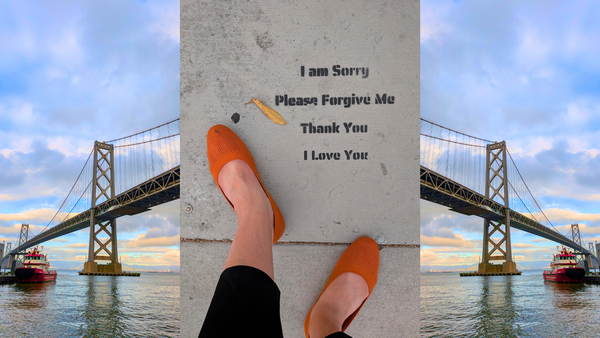
Quiet Should Be Nice But Isn't

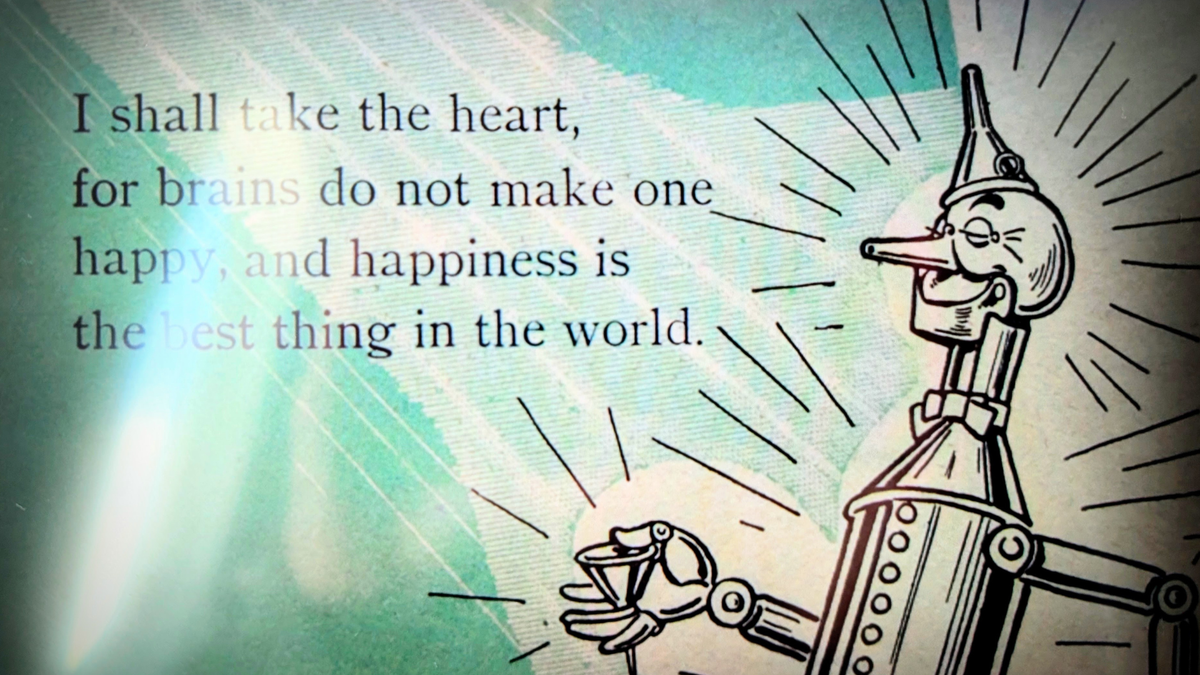
Some songs don't just explain a feeling. They amplify emotion.
Jimmy Eat World’s “Higher Devotion” does that for me. It sounds like patience running out. Like wanting to be understood without softening the ask. Like frustration after it has already tried to behave.
That energy brings me back to last year, when I was so very tired. Not just busy. Tired.
Tired from carrying expectations no one else could see, among other things.
I expected a lot. From others. From myself. From the work. From the life I was trying to hold together.
I wanted people to care the way I cared. Notice what I noticed. Remember what I remembered. Move with urgency. Read the room. See the gap between what was happening and what could be better.
And when they didn't, I felt let down. Granted, sometimes I was right.
Sometimes people were careless. Sometimes the work deserved more thought. Sometimes the communication was poor, the standard was low, and the problem was obvious.
But sometimes the standard was mine, and I hadn't said it out loud. That's harder to admit.
Professionally? I've always believed that communication is what undergirds success.
It's not polish, not decoration. Not just the follow-up email after the real work is done. Communication is the work.
It's how expectations become visible. How pressure becomes direction. How a mountain gets reduced to a molehill.
And I can see now where I failed to honor that.
Which makes me thrum with anger, because communication is also part of how I show up across every facet of my life. It's my fucking job.
When I communicate well, my passion has shape. My standards have context. My frustration has purpose. I can accomplish anything.
When I don't, all that care comes out sideways.
I sound sharper than I mean to. Colder. I initiate without thinking things through. I assume the obvious is obvious to everyone. I expect people to meet standards they didn't know I was holding.
California has made this way harder to ignore. It's not letting my frustration stay theoretical or lyrical. Here, I've had to look at how I respond when things don't go the way I think they should.
Do I clarify, or control? I ask, or test? Name the problem, or become the temperature of the room?
That last one? That hurts the most, if I'm honest.
Because I care. Deeply. Sometimes too visibly, since my face says what's on my mind before my mouth does.
I care about the detail. The tone. The handoff. The outcome. I care whether people feel like they belong. I care whether the work reflects the effort it deserved.
But caring isn't the same as communicating. And being right about the problem doesn't mean I handled the moment well.
That's another lesson I keep confronting. At work and in love.
I can't expect people to intuit what I haven't spoken. I can't expect them to read my mind just because I've learned to read a room. I can't call openess a standard and then feel betrayed when no one meets it.
I don't want to care less. Not forever, at least.
I don't want to become smaller, cooler, easier, or less aware of what matters. I don't want to apologize for high standards. I don't want to trade devotion for detachment because detachment is easier to manage.
But I do want to become clearer, sooner rather than later.
“This matters to me,” before I'm upset someone missed it.
“Here is what success looks like,” before I'm disappointed by the outcome.
“I am frustrated because I care,” before my tone makes care sound like criticism.
Maybe that's the harder devotion. Not being understood perfectly, but choosing to be understood honestly.
California hasn't asked me to want less out of my life. It's asked me to translate what I want before it turns into the simmering form of resentment I know all too well. It's asked me to notice when passion starts looking like impatience, and to stop confusing emotional intensity with emotional clarity.
Looking back, I can see where I could've communicated better. Maybe some things would have changed. Maybe some wouldn't have. That's a challenge - learning from the past without pretending I could've controlled every outcome.
Another challenge is carrying the information forward without turning it into another punishment.
I know now that frustration shows me where I feel unseen. Where I overextend. Where I expect intuition to do the work of communication. Where I wait too long to speak plainly, then wonder why I end up hurt.
So, maybe I'm not too much and maybe my standards aren't the problem. Maybe my silence around them has been.
Which then means that maybe the work ahead of me is not to care less, but to give my care, my devotion, a clearer shape.