A Pinch of Salt and Other Non-Negotiables

When I moved into my temporary place in California, the kitchen had what I technically needed.
There were pots and pans. There were plates, bowls, knives, forks, and spoons. There were two coffee makers, which, depending on the morning, may not be the overkill you might suspect. I had the necessary kitchen implements to feed myself, make something warm, and avoid living entirely on takeout and 100-calorie snack packs.
In the pantry, there was olive oil, salt, and pepper.
That was it.
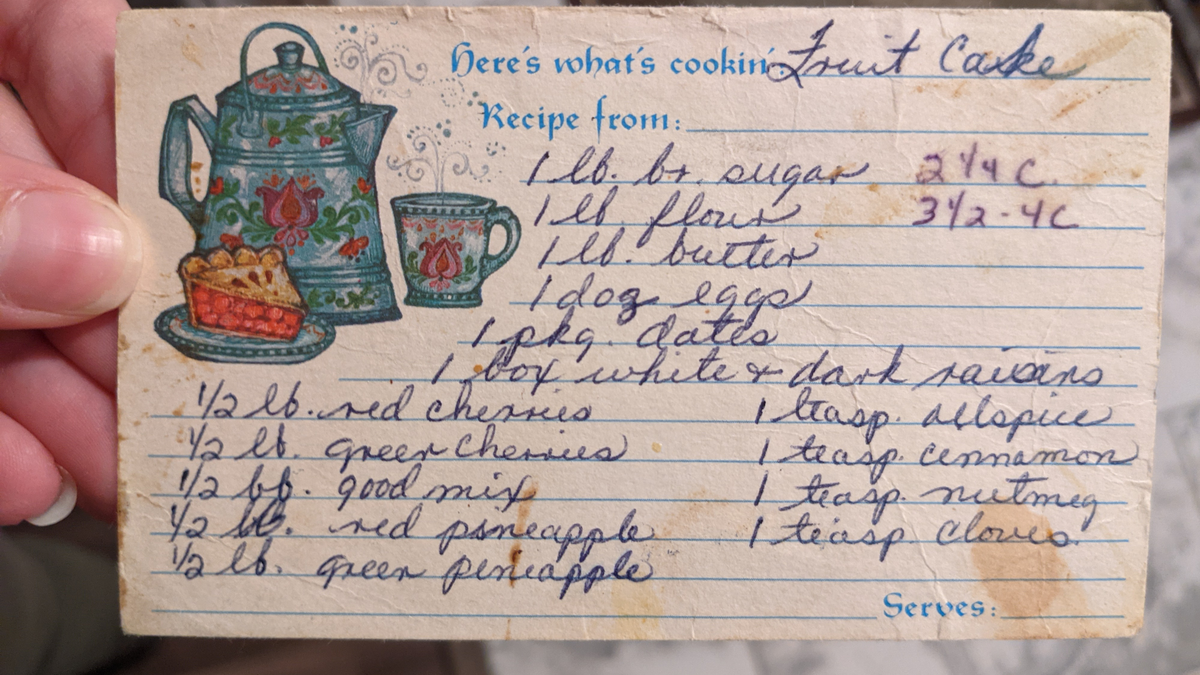
No flour. No sugar. No butter. No milk. No bread.
Nothing tucked into the cabinet waiting to become toast or waffles. Nothing familiar in the refrigerator door. Nothing ordinary enough to forget until I reached for it and found empty space instead.
Back in Virginia, those things were just there. Flour lived in its containers. Sugar had its place, even if it was largely for iced tea. Butter was in its dish on the counter, bread was nearby, milk was always in the fridge, and I rarely thought about any of it unless we were running low.
They were not extravagant items. They were not specialty ingredients sourced from some bougie store in the city. They were the quiet infrastructure of daily life.
And because they were always there, I took them for granted.
It’s true.
I don't mean that as a confession of great moral failure. We all do this. We stop seeing the things we rely on. We stop noticing the systems, habits, and people that make life feel steady. The pantry has flour until it doesn’t. The fridge has milk until it doesn’t. Someone remembers to buy butter until no one does.
A temporary kitchen has a way of making absence visible.
It's strange how quickly a place can remind you of the difference between having what you need and having what makes you feel at home. I had shelter. I had dishes. I had a stove. I had enough. In the most basic sense, I was fine.
But “fine” is not the same as rooted.
Fine is olive oil, salt, and pepper. Rooted is knowing where the sugar is without thinking. Fine is being able to cook a meal. Rooted is being able to make the thing you crave without needing to first make a list, find the nearest store, and start from scratch.
This is where I keep finding myself in California: technically fine, practically capable, and emotionally surprised by what qualifies as essential to my life.
The song that comes to mind for this feeling is “Pinch Me” by Barenaked Ladies, which has always sounded to me like a cheerful little existential crisis. It is catchy enough to hum while doing dishes, but underneath it is that strange feeling of being present in your own life and somehow slightly outside of it, too. The world is ordinary. The day is ordinary. Nothing dramatic is happening.
And still, something feels off.
That's the part I understand differently now.
There is a particular kind of unreality that comes with starting over in a place where nothing terrible is happening, exactly, but nothing feels familiar either. You can make coffee. You can find the grocery store. You can answer emails, take out the trash, and remember which drawer holds the spatula. From the outside, it all looks functional.
Inside, though, you are walking through your own life asking, “Is this real?”
The pantry got me thinking about a question my therapist asked me more than once: What are your non-negotiables in a relationship? Your partnership essentials?
I never had a good answer.
Still don’t, honestly.
I understood the assignment, at least intellectually. Non-negotiables are supposed to be the things you know you need. Not preferences. Not fantasies. Not the decorative throw pillows of love. The foundation. The load-bearing walls.
But every time she asked, I felt myself go blank.
After more than a decade with the same person, the question felt almost impossible. How do you separate what you need from what you have adapted to? How do you know what is essential when you have spent years making a life work around what was available? How do you answer honestly without turning your past into a soap opera montage?
I'm not interested in building a profile, swiping through strangers, or rehearsing cheerful answers to questions that feel too small for the life I have lived. I don't want to sit across from someone over appetizers and try to determine whether kindness, emotional availability, shared values, and decent communication skills are somewhere on the menu.
I'm not there.
But I am beginning to understand that naming my non-negotiables is not only about dating. Maybe it is not about dating at all.
Maybe it is about learning what I shouldn't have to talk myself out of needing.
Which, as it turns out, is a hell of a lot harder than it sounds.
Needs and wants can blur when you have been in a relationship for a long time. Some wants become needs because they hold the shape of your actual life. Some needs get downgraded to wants because asking for them feels inconvenient, dramatic, or selfish. Some things you once thought mattered become less important. Other things, quiet things, become impossible to live without.
I need appreciation.
I need safety, and not just the masculine “protector” kind. I need the kind of safety that lets my nervous system exhale. I need to be able to have difficult conversations without preparing for emotional distance. I need to be able to express myself and do the things I enjoy without feeling judged. I need tenderness that is not rationed as a reward for being quiet and agreeable.
I want good conversation. I want shared experiences. I want someone who understands that I am weird, sometimes feral, but always guided by my moral center. I want banter, date nights, and the particular intimacy of being known well enough that someone can order for me when I'm too tired to decide.
I want affection. I need respect.
I want romance. I need peace.
I want someone who remembers how I take my coffee and my tea. I need someone who notices when I have stopped reaching for the things I love.
The distinction matters.
It is tempting, especially after loss or upheaval, to become severe with yourself. To say, “I only need the basics.” To confuse resilience with deprivation. To prove you can survive on olive oil, salt, and pepper because technically, you can.
But survival is not the same as nourishment.
I can live without flour. I can live without sugar, butter, milk, and bread. People live with far less every day, and I do not want to mistake inconvenience for hardship. Still, there is something instructive in noticing what is missing. There is a lesson in the reach — the hand moving automatically toward what used to be there.
That reach tells the truth before the mind edits it.
In Virginia, I knew where to find those household staples. In California, I'm still learning. I'm learning the grocery stores, the traffic patterns, the community layer, and the particular loneliness of a temporary address. I'm learning what I brought with me and what I assumed would be waiting when I arrived.
I'm learning that gratitude cannot only be retrospective. It cannot only show up after something is gone. I do not want to spend my life recognizing essentials by their absence.
That applies to the pantry, yes, but also to love. To friendship. To the routines that make a day livable. To the people who remember the small things. To the self I'm trying to meet again.
For now, I'm not making a list for a future partner. I'm not preparing myself for dating like it's a standardized test. I'm not pretending I know exactly what comes next.
I'm buying flour.
I'm buying sugar, butter, milk, and bread.
I'm stocking the shelves slowly, paying attention to what I reach for and what I can live without. I'm learning what makes a place feel less temporary. I'm noticing the difference between enough and essential.
Maybe that is where non-negotiables begin.
Not with another person. Not with a perfect answer during a therapy session. Not with a dramatic declaration about what I will never, ever accept again.
Maybe they begin in a quiet kitchen, in a place I did not expect to be, with a pantry that holds almost nothing.
Maybe they begin with the humble work of noticing.
What do I need? What do I want? What have I mistaken for optional?
And what, once named, should I never take for granted again?